Video Game Mechanics Reshaping Prize Distribution in Britain's Portable Reel Formats
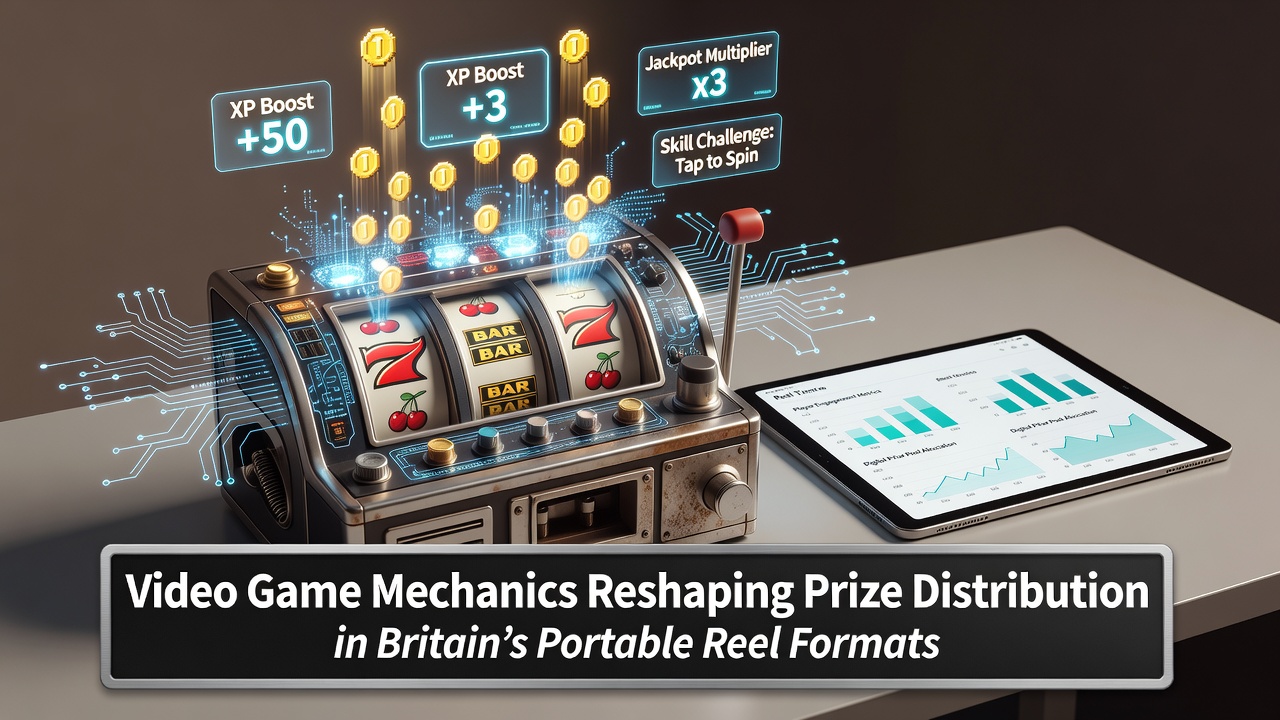
Britain's portable reel formats have incorporated several video game mechanics that alter how prizes reach players, and data from industry reports shows these changes affect distribution patterns across mobile platforms. Observers note that systems such as progression tracking, achievement unlocks, and dynamic reward structures now sit alongside traditional reel mechanics, which shifts both the frequency and size of payouts in measurable ways.
Progression Systems and Tiered Prize Allocation
Many mobile slot titles now feature level-up frameworks borrowed from role-playing games, where player activity feeds into cumulative progress meters. These meters unlock additional prize pools once certain thresholds are met, and researchers have tracked how this creates layered distribution models rather than flat random outcomes. A single session might trigger base reel wins while simultaneously advancing a separate progress track that distributes larger awards at milestone points.
Studies from academic institutions indicate that such systems spread prize value across multiple touchpoints instead of concentrating it in single spins. One analysis of mobile reel data found that achievement-linked bonuses accounted for roughly 18 percent of total player returns in titles using these features, which represents a measurable departure from older formats that relied solely on reel combinations.
Dynamic Multipliers and Real-Time Adjustments
Real-time multiplier engines, similar to those in competitive online games, now adjust prize values based on session length or consecutive outcomes. These engines pull from video game reward logic to scale multipliers upward during extended play periods, and the result is a redistribution pattern where larger prizes cluster toward the middle and later stages of sessions. Figures from European gaming research groups show that titles employing these adjustments report higher variance in payout timing compared with static multiplier designs.
Portable formats benefit particularly because mobile sessions tend to be shorter and more fragmented, which allows the dynamic systems to reset frequently and maintain engagement through varied prize sizes. Data indicates that players encounter prize events at intervals that align more closely with video game quest structures than with traditional slot cycles.
Leaderboards and Shared Prize Pools
Community leaderboards introduce competitive elements that pool portions of stakes into communal prize funds. These funds then distribute according to ranking positions rather than individual reel results alone, and this mechanic mirrors tournament structures common in multiplayer video games. Reports from the Canadian Gaming Association highlight how such pooled systems can shift up to 12 percent of overall prize value into leaderboard rewards during active competition windows.
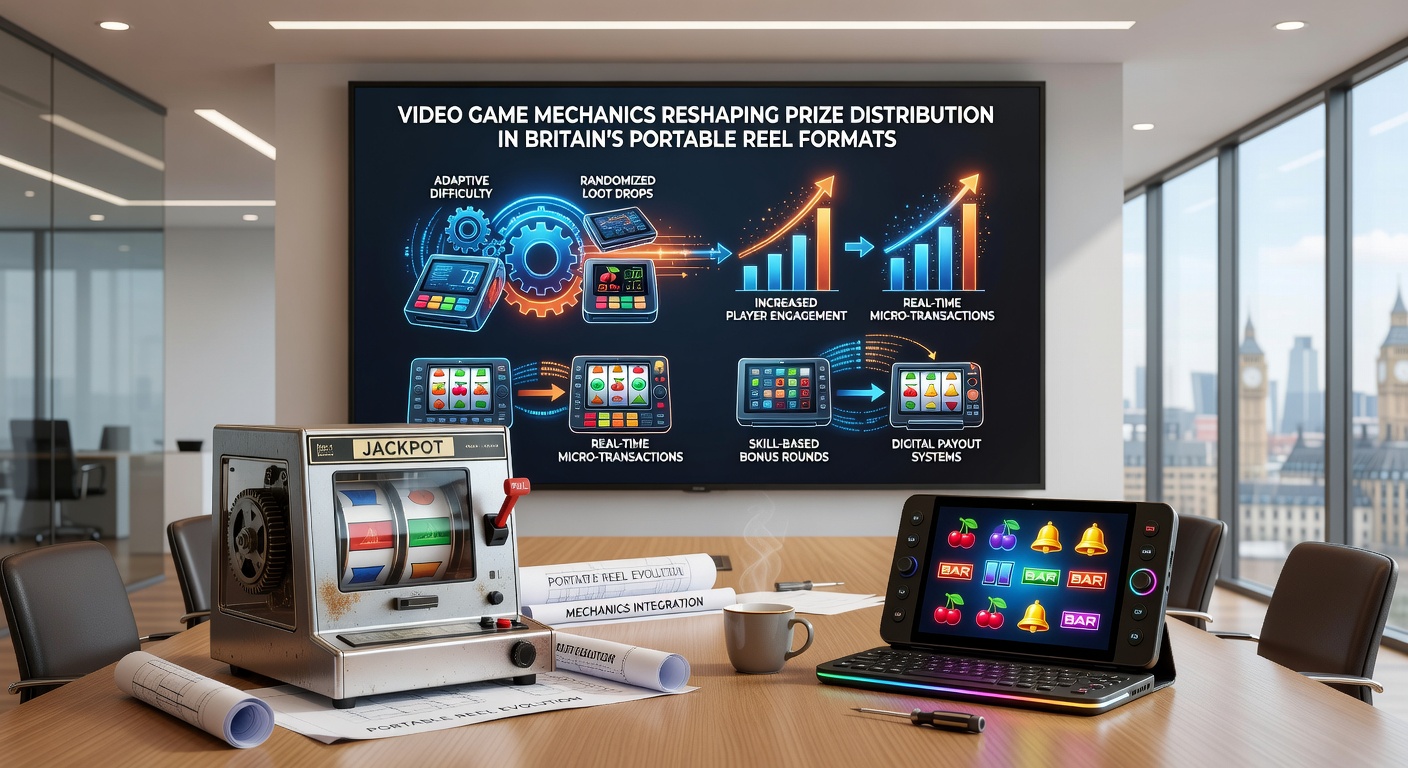
As of June 2026, several UK operators have expanded leaderboard integration across their portable libraries, which further embeds these distribution changes into daily play patterns. The approach creates periodic high-value prize drops that supplement standard reel outcomes, and tracking data reveals distinct spikes in payout volume during leaderboard reset cycles.
Quest and Mission Structures
Daily and weekly mission frameworks guide players toward specific reel behaviors while offering separate prize tracks for completion. These missions often require combinations of wins, spin counts, or feature triggers, and they deliver rewards outside the core reel engine. Research published through the University of Nevada's gaming studies unit demonstrates that mission-based prizes now represent a growing share of total returns in mobile reel environments, with completion rates influencing overall distribution timing.
Operators report that mission rewards frequently include free spin bundles or bonus credit allocations, which effectively spreads prize delivery across both immediate and deferred moments. This dual-track model reduces reliance on any single reel outcome for player returns and introduces predictability that aligns with video game design principles.
Conclusion
Video game mechanics continue to integrate into Britain's portable reel formats through progression systems, dynamic multipliers, leaderboards, and mission structures. These elements redistribute prize value across multiple channels and alter payout timing in ways that differ from earlier reel-only models. Industry data and academic tracking confirm measurable shifts in how awards reach players on mobile platforms, and further adoption appears likely as operators refine these hybrid approaches.