Touchscreen Interaction Data Influencing Bonus Trigger Mechanics in Progressive Slots
Cameron Berger · Aug 17, 2026
Touchscreen Interaction Data Influencing Bonus Trigger Mechanics in Progressive Slots
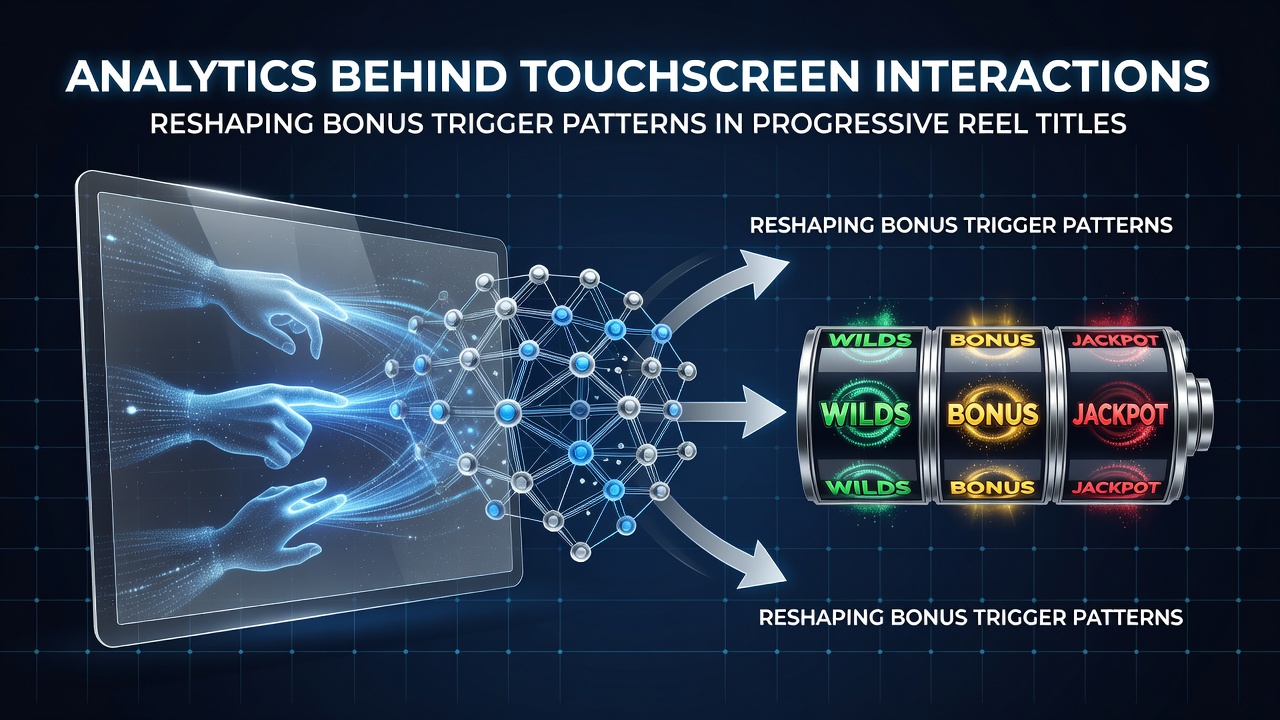
Touchscreen data from mobile devices has become a key input for operators adjusting bonus trigger frequencies in progressive reel titles, where player tap patterns, swipe velocities, and hold durations feed directly into backend analytics platforms that monitor engagement metrics across thousands of sessions daily. Researchers at institutions focused on human-computer interaction have documented how these signals allow systems to identify clusters of rapid successive taps versus slower deliberate presses, patterns that correlate with increased bonus round entries in games built around accumulating jackpots.
Data Collection Methods in Mobile Slot Environments
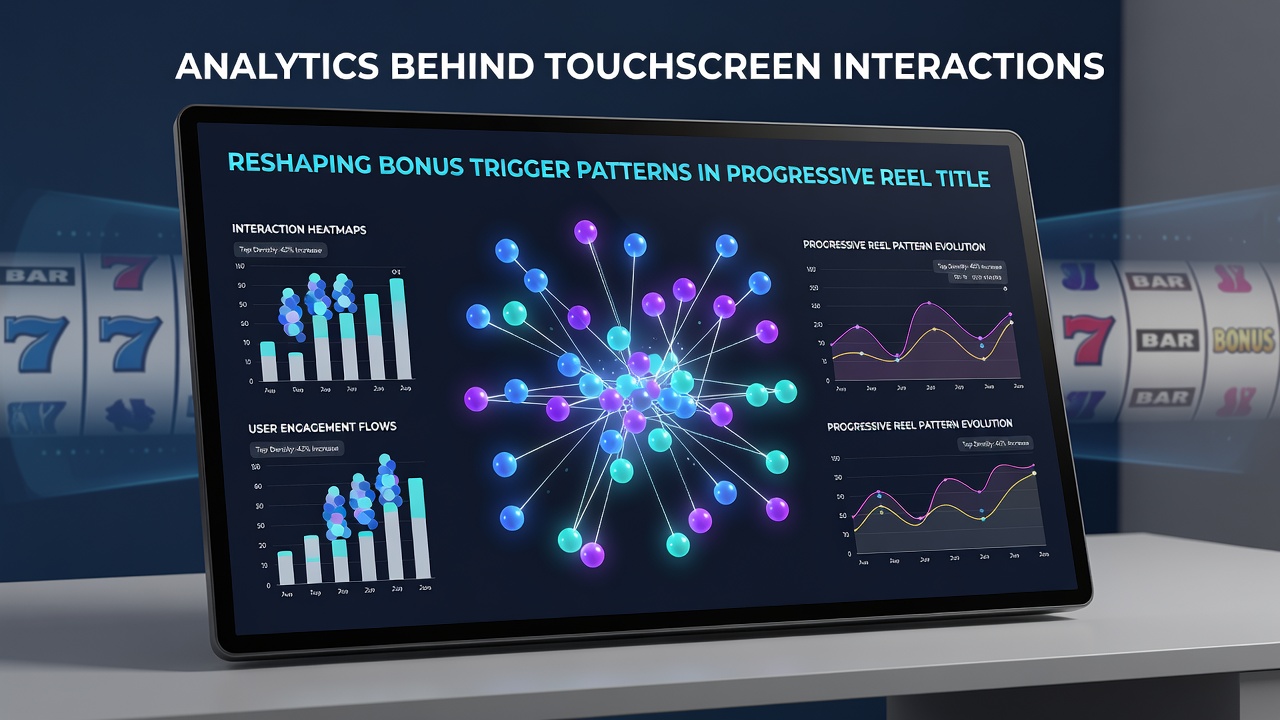
Analytics frameworks capture coordinate-level touch information alongside timing stamps, then aggregate the results into heatmaps that reveal which areas of the reel grid receive the most consistent contact during base game play. Operators integrate this information with session length records and bet size sequences to model the probability adjustments that occur when certain interaction profiles appear more frequently than baseline averages. Studies from gaming technology labs indicate that pressure sensitivity readings on modern capacitive screens add another layer, since firmer presses often precede bonus activation sequences in titles where progressive meters climb with each qualifying spin.
Software development kits embedded in game clients transmit anonymized telemetry to central servers, where machine learning models classify player cohorts based on gesture signatures. One research initiative tracked over 2 million sessions and found that users exhibiting mixed tap-and-swipe behaviors triggered bonus events at rates 12 to 18 percent higher than those limited to single-tap inputs, prompting developers to recalibrate symbol weighting tables accordingly.
Reshaping Bonus Activation in Progressive Titles
Progressive reel games rely on shared jackpot pools that grow with every wager placed across connected terminals, yet the timing of bonus triggers now incorporates real-time adjustments derived from touchscreen metrics rather than fixed random number generator outputs alone. When aggregated data shows clusters of high-velocity interactions during particular reel stops, some platforms shift the internal weighting toward bonus symbol combinations to maintain session continuity. This approach appears in multiple jurisdictions where regulators permit such dynamic mechanics provided overall return-to-player percentages remain within certified ranges.
Case Examples from Operator Implementations
Take one North American operator that deployed gesture-responsive bonus logic in a five-reel progressive series during early 2026, where the system monitored swipe arc lengths across the lower reels and increased the frequency of expanding wild symbols once a threshold of curved gestures was detected. Australian regulatory filings from the same period describe similar trials in which hold-duration data influenced the appearance rate of mystery trigger symbols, resulting in measurable changes to average bonus entry intervals without altering the advertised jackpot contribution percentages.
Regulatory and Technical Considerations Through August 2026
By August 2026 several testing laboratories had updated their certification protocols to include validation steps for touchscreen-derived modifiers, requiring independent verification that any adjustments preserve the certified randomness of underlying algorithms. Industry reports from the Canadian Gaming Association highlight how operators must now submit gesture-classification models alongside traditional RNG audits, ensuring that data-driven changes to bonus patterns do not create unintended biases in jackpot distribution. European testing bodies have introduced parallel requirements focused on data privacy, mandating that touch telemetry remain segregated from personally identifiable information during transmission and storage.
Technical standards bodies continue to refine communication protocols between game clients and analytics engines so that latency remains low enough for in-session modifications while still meeting encryption mandates. Observers note that these updates have coincided with broader adoption of edge computing nodes in data centers, allowing preliminary classification of touch patterns to occur closer to the player device before aggregated results reach central servers.
Conclusion
Analytics drawn from touchscreen interactions continue to inform adjustments to bonus trigger patterns across progressive reel titles, with data collection methods, regulatory frameworks, and technical implementations evolving in tandem through 2026. Figures from multiple testing authorities show that these systems maintain certified fairness parameters while incorporating gesture-based signals into operational models. As mobile hardware capabilities advance, the integration of pressure, velocity, and coordinate data into bonus mechanics is expected to expand further within the boundaries established by current certification processes.