Symbol Cluster Dynamics and Retention Patterns in Mobile-First Reel Designs
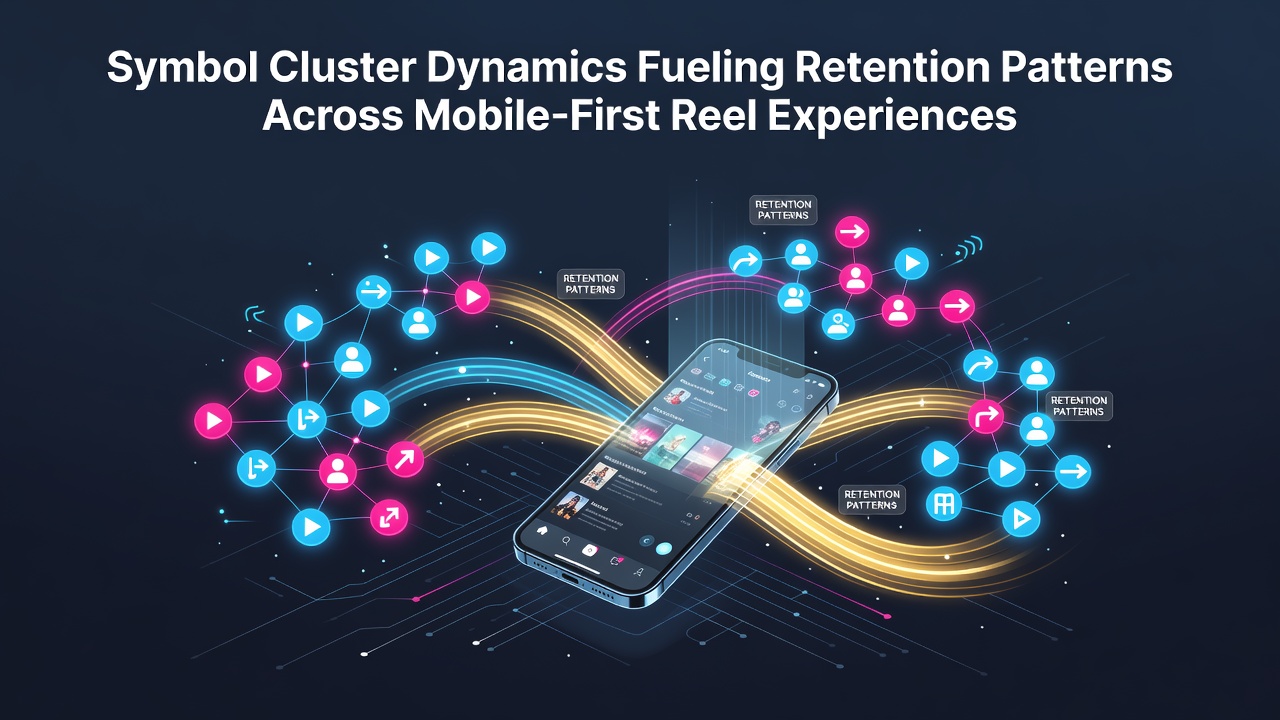
Symbol cluster mechanics have become central to many mobile-first reel experiences where adjacent matching icons replace traditional paylines and create win conditions through group formations rather than fixed alignments. Developers integrate these systems to generate frequent small outcomes alongside occasional larger cluster explosions that extend session durations and encourage repeated logins. Data from various gaming jurisdictions shows that titles built around cluster logic often record higher average play times compared with line-based counterparts when optimized for touch interfaces.
Mechanics Behind Cluster Formation and Mobile Adaptation
Clusters form when identical symbols occupy neighboring positions on the grid with adjacency rules typically requiring four or more connections in horizontal or vertical directions. Mobile versions adjust these rules to accommodate smaller screens by enlarging touch targets and streamlining animations so that collapsing symbols refill the grid without lag. Observers note that the removal of rigid paylines allows software to award wins across irregular shapes which suits portrait orientation and one-handed play common on smartphones. Research from academic institutions studying digital engagement indicates that such flexibility reduces cognitive load during rapid spins and supports smoother transitions between rounds.
Additional modifiers such as wild substitutions and multiplier accumulations attached to growing clusters further amplify outcomes. In practice a modest four-symbol cluster might expand through chain reactions when new icons drop into cleared spaces and connect with existing groups. These cascading sequences appear more frequently on mobile because reduced reel heights and faster spin cycles compress the time between events. Industry reports compiled by European trade associations highlight that operators deploying cluster titles on mobile platforms observe measurable increases in daily active users particularly among demographics aged 25 to 40 who favor shorter yet repeatable sessions.
Retention Patterns Linked to Cluster Variability
Retention metrics tied to cluster dynamics often reflect the balance between predictable small clusters and rarer high-value formations. Players encounter steady reinforcement through frequent low-tier payouts while the possibility of a massive connected group spanning an entire reel set creates anticipation that prompts return visits. Figures released by regulatory bodies in multiple regions including the Nevada Gaming Control Board reveal that mobile slots incorporating cluster features maintain session lengths averaging 12 to 18 minutes longer than comparable line-pay games during peak usage periods. The pattern holds across both casual and more committed user segments because the mechanic rewards continued spinning without demanding extended concentration.
June 2026 data snapshots from international monitoring services further illustrate seasonal spikes in cluster-based mobile engagement coinciding with software updates that refine adjacency algorithms and introduce seasonal symbol themes. These updates typically roll out simultaneously across iOS and Android storefronts allowing consistent experiences regardless of device. Analysts tracking cross-platform behavior report that users who encounter cluster mechanics within the first three sessions demonstrate elevated seven-day return rates compared with those introduced to traditional formats.
Integration With Mobile Interface and Engagement Loops
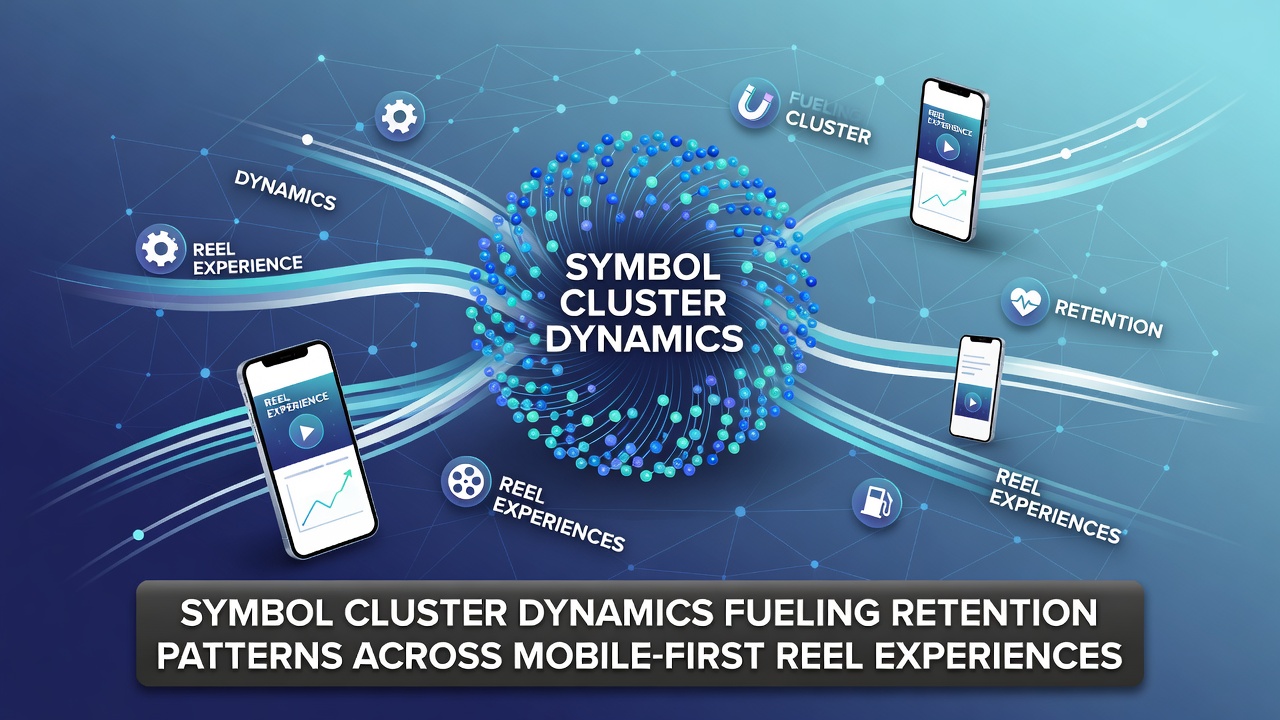
Touch-optimized controls allow players to trigger spins or activate optional cluster modifiers through simple taps and swipes that align with natural hand movements on handheld devices. This design reduces friction between decisions and outcomes which researchers associate with sustained attention across multiple rounds. Cluster visuals expand or contract dynamically during play with particle effects and color shifts that provide immediate feedback without requiring players to parse complex paytables. According to studies published by gaming research centers at several North American universities these visual cues strengthen memory associations between specific cluster events and positive reinforcement loops.
Operators further enhance retention by embedding progress trackers that display cluster milestones toward bonus rounds or accumulated multipliers. Such systems appear in mobile-first releases where screen real estate permits persistent UI elements that update in real time. Data aggregated by Canadian provincial gaming authorities shows that incorporation of visible cluster counters correlates with extended play intervals and higher frequency of feature activations during evening hours when mobile usage peaks. The combination of mechanical transparency and visual immediacy keeps players oriented within the experience while they remain on the go.
Comparative Performance Across Reel Formats
Side-by-side evaluations of cluster versus line-based mobile titles indicate distinct engagement curves. Cluster games tend to distribute wins more evenly across a session which aligns with mobile users who intersperse short play bursts throughout the day. Line-based alternatives often concentrate larger outcomes at the end of longer cycles which may suit desktop sessions better. Trade publications from the Asia-Pacific iGaming sector document that cluster implementations achieve comparable or superior retention figures in markets where smartphone penetration exceeds 85 percent and average daily screen time for entertainment apps continues to climb.
Software studios continue refining cluster algorithms to prevent repetitive patterns that could diminish novelty. Procedural generation of symbol weights and variable cluster thresholds introduce enough unpredictability to maintain interest while still delivering the core adjacency satisfaction. External audits conducted by independent testing laboratories confirm that certified random number generators underpin these variations ensuring outcomes remain statistically consistent across large sample sizes regardless of platform.
Conclusion
Symbol cluster dynamics continue to shape how mobile-first reel experiences structure player interactions and sustain engagement over time. Through adjacency-based wins cascading sequences and mobile-specific interface adjustments these mechanics deliver frequent reinforcement alongside opportunities for substantial formations. Available data from diverse regulatory and academic sources underscores measurable differences in session length and return behavior when cluster systems are present. As development practices evolve further refinements in cluster logic and presentation will likely remain a focal point for designers seeking to optimize mobile reel performance across global markets.