Sound Layers Behind the Reels: How Audio Design Shapes Session Patterns in UK Casino Games
Klara Long · Aug 1, 2026
Sound Layers Behind the Reels: How Audio Design Shapes Session Patterns in UK Casino Games
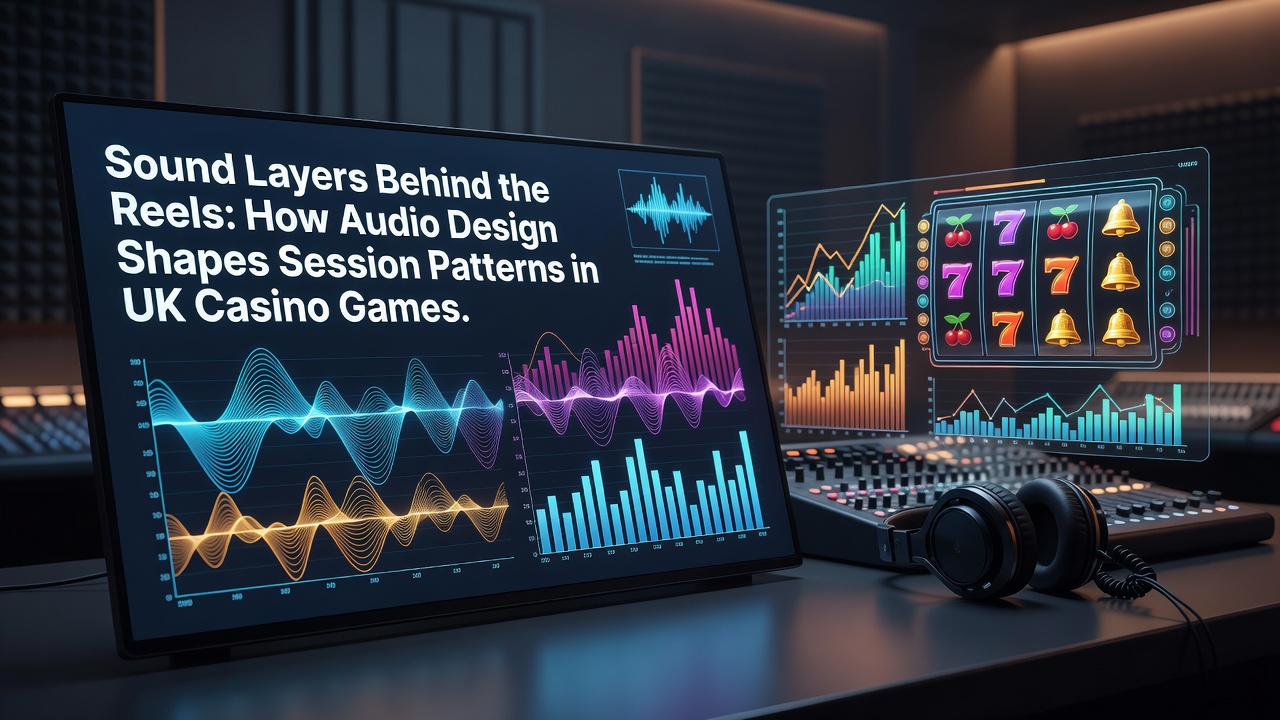
Audio design in UK casino games operates through multiple synchronized layers that include spinning reel tones, win chimes, background music tracks, and ambient effects, all calibrated to influence how players interact with the interface over extended periods. Research published in the Journal of Gambling Studies indicates that these elements combine to create rhythmic feedback loops that align with player decisions during spins and feature triggers. Observers note that sound cues often coincide with payout animations, reinforcing patterns where sessions extend when celebratory audio sequences activate more frequently.
Layered Audio Components in Modern Slots
Each slot title incorporates distinct audio strata that activate independently yet remain synchronized with visual events on the reels. Reel-stop sounds vary in pitch and duration depending on symbol combinations, while background tracks shift tempo during bonus rounds or near-miss sequences. Data from industry reports compiled by the European Gaming and Betting Association shows that operators adjust these layers quarterly, with updates in August 2026 incorporating adaptive volume scaling based on device sensors. Those who have examined session logs find that players maintain consistent spin rates when low-frequency ambient loops remain steady, whereas abrupt high-pitched alerts correlate with temporary pauses followed by resumed activity.
Sound designers build these components using modular systems that allow real-time mixing across different game states. Win multipliers trigger layered harmonies that build in intensity, and this progression encourages continued engagement because the audio resolution feels incomplete until a full cycle completes. Figures from academic analyses at institutions such as the University of Sydney reveal that players in controlled tests extended average session duration by 12 to 18 minutes when exposed to continuous musical motifs compared with silent conditions.
Session Pattern Correlations with Audio Triggers
Session data collected across UK-licensed platforms demonstrates measurable shifts in play duration and frequency tied directly to audio event density. High-frequency win chimes paired with ascending musical phrases appear in logs where players initiate additional spins within two seconds of a payout, creating accelerated clusters of activity. In contrast, titles that employ sparse audio during base game phases show longer intervals between spins, with some datasets indicating average gaps of four to seven seconds. Researchers at the Canadian Centre on Substance Use and Addiction documented similar timing patterns in laboratory simulations, noting that audio reinforcement sustains momentum even when visual rewards remain modest.
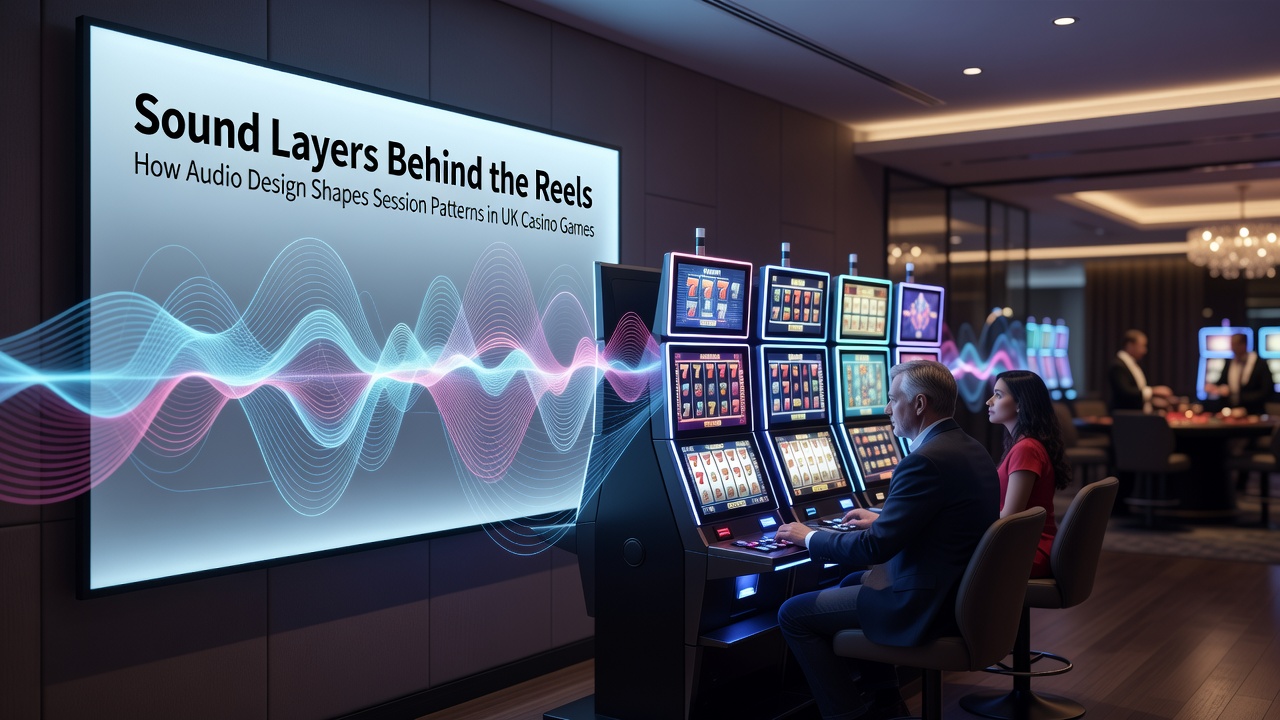
Operators track these metrics through anonymized telemetry that records both spin timestamps and audio event logs. Patterns emerging from August 2026 datasets indicate that games featuring adaptive soundscapes, where music intensity rises with consecutive non-winning spins, maintain steadier player retention curves than static audio implementations. The ball remains in the developers' court to refine these systems further as hardware capabilities expand.
Regulatory and Technical Frameworks Guiding Audio Use
Technical standards from bodies such as the Nevada Gaming Control Board require audio elements to remain optional and adjustable, ensuring players can mute individual layers without affecting core gameplay mechanics. These guidelines influence UK market offerings because many studios develop titles for multiple jurisdictions simultaneously. Compliance documentation shows that volume normalization algorithms prevent sudden spikes that could disrupt session flow, and operators implement these controls uniformly across desktop and mobile versions. Industry analyses confirm that titles adhering to such standards exhibit more predictable session length distributions in aggregated reports.
What's interesting is how cross-platform synchronization maintains audio continuity when players switch devices mid-session. Developers achieve this through cloud-based audio asset streaming that preserves layer timing regardless of connection quality. Observers tracking these transitions report fewer session interruptions in titles that prioritize seamless audio handoff, contributing to the overall stability of engagement metrics recorded through 2026.
Conclusion
Audio design in UK casino games functions as an integrated system that aligns sound events with player actions to shape observable session patterns. Evidence from multiple research sources and regulatory frameworks demonstrates consistent correlations between specific audio configurations and measurable changes in spin frequency and duration. As technical capabilities advance, developers continue to refine these layers while maintaining compliance with established standards across jurisdictions, resulting in session data that reflects the ongoing interaction between sound mechanics and player behavior.