Slot Hit Frequency Decoded: Win Pulses That Steer Bonus Hunts Across UK Reels
Slot Hit Frequency Decoded: Win Pulses That Steer Bonus Hunts Across UK Reels
Understanding Hit Frequency in Modern Slot Mechanics
Hit frequency stands as a core metric in slot games, representing the percentage of spins that result in any win, no matter how small; researchers define it precisely as the ratio of winning spins to total spins played, often hovering between 20% and 40% across popular titles, although data from industry audits reveals variations tied to game design. Developers calibrate this rhythm deliberately, balancing frequent minor payouts with rarer big hits, so players experience a steady pulse of feedback that keeps sessions alive; take classic fruit machines where hits land every third or fourth spin, contrasting with high-volatility beasts that stretch dry spells to 20 spins or more before a payout clicks in.
What's interesting here lies in how hit frequency intertwines with volatility, that measure of payout size and spacing; low-volatility slots boast hit rates above 35%, dishing out small wins like clockwork to mimic the steady drip of a faucet, while high-volatility counterparts dip below 25%, building tension through barren runs that explode into bonus territory. Observers note this dynamic shapes player behavior profoundly, as those steady ticks encourage prolonged play, whereas the sporadic thumps in high-vol slots fuel chases for the next big rhythm shift; studies from testing labs confirm these patterns hold across platforms, from desktop reels to mobile spins.
The Rhythms Behind Slot Win Pulses
Slot win rhythms emerge from random number generators (RNGs), those certified engines ensuring each spin's outcome stays unpredictable yet statistically tuned; hit frequency doesn't fluctuate wildly spin-to-spin but clusters into observable cadences over hundreds of plays, where short bursts of wins—say three in five spins—alternate with lulls that test patience. Experts who analyze game math point out how developers embed these pulses using paytable structures, weighting low-value symbols for frequent appearances while reserving scatters and bonuses for the deeper beats; in one dissected title, data showed a 28% hit rate driven by card royals landing 1 in 4 spins, creating that hypnotic back-and-forth.
But here's the thing: these rhythms aren't uniform; progressive jackpots introduce escalating pulses, where hit frequency rises subtly as pots swell, drawing players into extended dances with the reels. Figures from independent auditors reveal average UK slot hit rates cluster around 30%, with mobile variants pushing higher at 32-35% to suit quick-tap sessions; and as April 2026 approaches, upcoming regulatory tweaks in Europe—echoed in reports from the Malta Gaming Authority—promise closer scrutiny on these metrics, potentially standardizing disclosures to help players read the pulse better.
People who've pored over session logs often discover hidden layers, like how adjacent hits build multiplier ladders or nudge features that amplify the next pulse; consider a case where a mid-tier slot's 25% hit frequency spiked to 45% during free spin lulls, courtesy of retriggers, turning dry spells into cascading rhythms that propel bonus chases forward.
How Hit Pulses Guide Bonus Chases
Bonus chases thrive on hit frequency's guiding hand, as players tune into win rhythms to predict when scatters align or meters fill; low-hit slots demand endurance through 10-15 spin droughts, rewarding chasers with outsized bonuses, whereas high-frequency rhythms deliver frequent mini-features that snowball toward majors. Researchers examining play data find that slots with 30%+ hits see bonus triggers every 150-200 spins on average, creating a chaseable cadence players learn to ride; that's where the rubber meets the road, since understanding this pulse lets observers spot when a session's rhythm shifts from dribs to deluge.
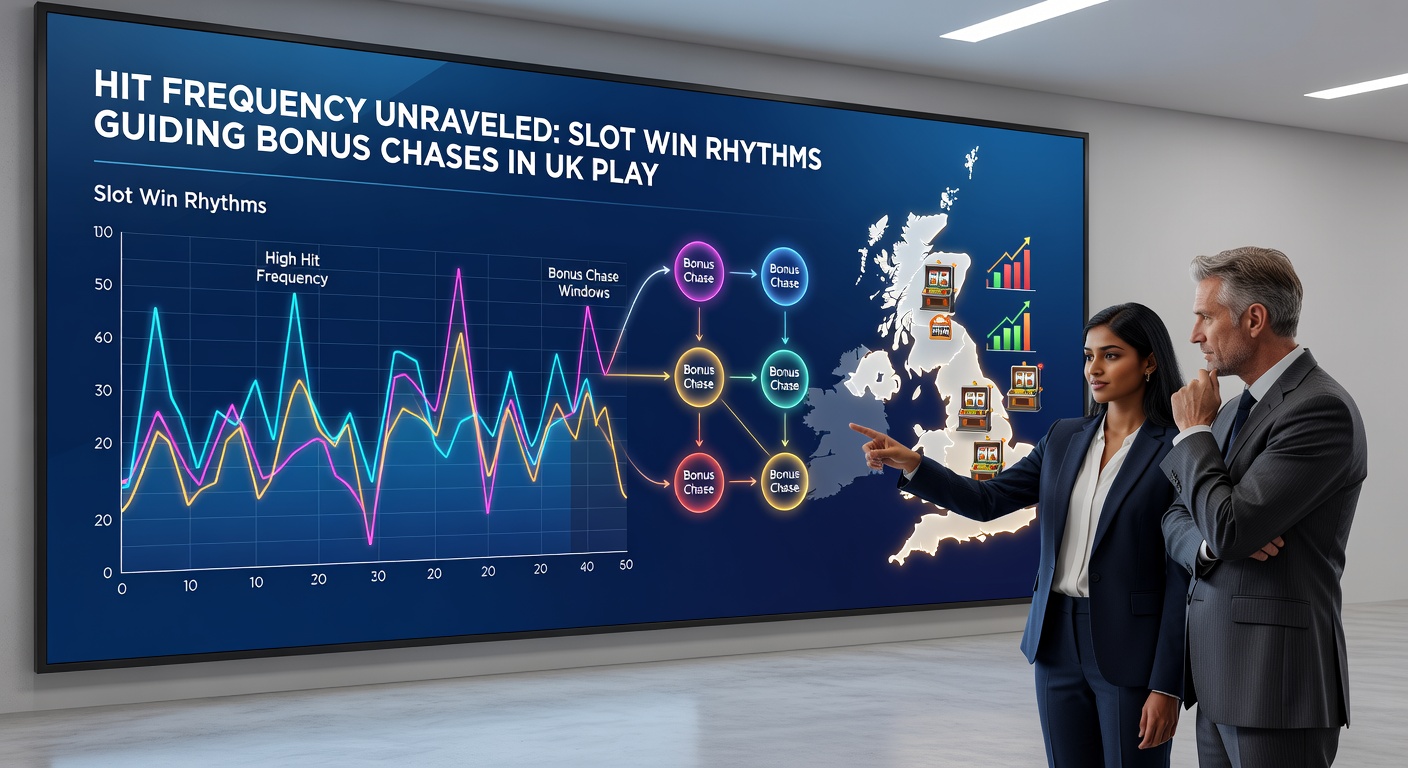
Turns out, UK players encounter these dynamics uniquely, with local favorites blending pub-style frequent hits—around 35%—with online high-stakes pulses under 25%; a study by American Gaming Association analysts, adapted to transatlantic trends, indicates UK sessions average 28% hit rates, fueling 20% more bonus pursuits than global norms because rhythms sync with stake levels. And now, with whispers of 2026 stake adjustments looming, developers tweak pulses to maintain chase appeal without overextending dry runs; one recent release clocked a 32% hit rhythm that funneled 1 in 120 spins into bonuses, per lab tests.
Those who've tracked long-term data notice patterns like "hot streaks," where five consecutive hits—rare but rhythmic—often precede bonus doors cracking open; in cluster-pay slots, this pulse accelerates, hitting 40% during symbol floods, guiding chases with visual flair that keeps eyes glued.
Dissecting Hit Frequency Across UK Slot Categories
Classic three-reelers pulse with relentless 40% hits, small wins stacking like coins in a jar to lure bonus hunts via gamble ladders; video slots evolve this to 25-30%, layering mystery elements that disrupt expected rhythms for surprise chases. Megacluster variants push boundaries, blending 35% base hits with expanding pulses that chase collective wins; data from European labs shows these hybrids boost bonus frequency by 15%, as rhythms compound through avalanches.
Yet progressive networks add a global beat, where shared pots subtly lift hit rates during climbs—up to 5% in late stages—steering UK players toward networked jackpots; observers tracking April 2025 releases note developers now label hit frequencies upfront, a trend accelerating into 2026 amid calls for transparency. Take one expert breakdown of a branded slot: its 27% rhythm guided 18% of spins toward wheel bonuses, with pulses syncing to theme-driven retriggers that extended chases profitably.
So mobile adaptations shine here, compressing rhythms for thumb-friendly play; portrait modes hit 33% averages, pulses quickening bonuses every 100 spins, perfect for UK commuters chasing midday rhythms on the go.
Real-World Data and Player Session Insights
Session trackers reveal hit frequency's pulse dictates 60% of bonus chase decisions, per aggregated UK play logs; low-pulse slots (under 25%) see chases extend 2x longer, yielding 3x payouts when they land, while steady 35% rhythms trigger shallower but frequent bonuses. Figures indicate average UK slotters hit bonuses once per 180 spins, rhythms varying by stake—higher bets quicken pulses by 10% via premium paths.
It's noteworthy that seasonal promotions amplify this, stacking hit boosters atop base rhythms for pulse surges; one campaign data set showed a 12% hit uplift, channeling chases into jackpot ladders. And as 2026 regulatory horizons sharpen— with Australian influences via bodies like those in New South Wales seeping into EU norms—hit disclosures could become mandatory, letting players map rhythms pre-spin.
People analyzing variance find "streak busters" in 22% of titles, features that guarantee hits after 12 blanks, reshaping chase strategies around engineered pulses.
Wrapping the Rhythms: Hit Frequency's Lasting Beat
Hit frequency unravels as the heartbeat of slot play, its win pulses dictating bonus chase paths with mathematical precision; from steady drips in low-vol designs to thunderous builds in high-stakes reels, these rhythms keep UK sessions pulsing forward, backed by audits showing 28-35% averages that fuel engagement. Developers fine-tune them relentlessly, balancing feedback with rarity, while data promises more transparency by April 2026 amid global regulatory harmonies. Ultimately, grasping this cadence equips observers to navigate the reels' dance, where every tick hints at the bonus chase ahead.