Scatter Triggers and Stake Adjustments in Mobile Reel Systems
Klara Long · Jul 29, 2026
Scatter Triggers and Stake Adjustments in Mobile Reel Systems
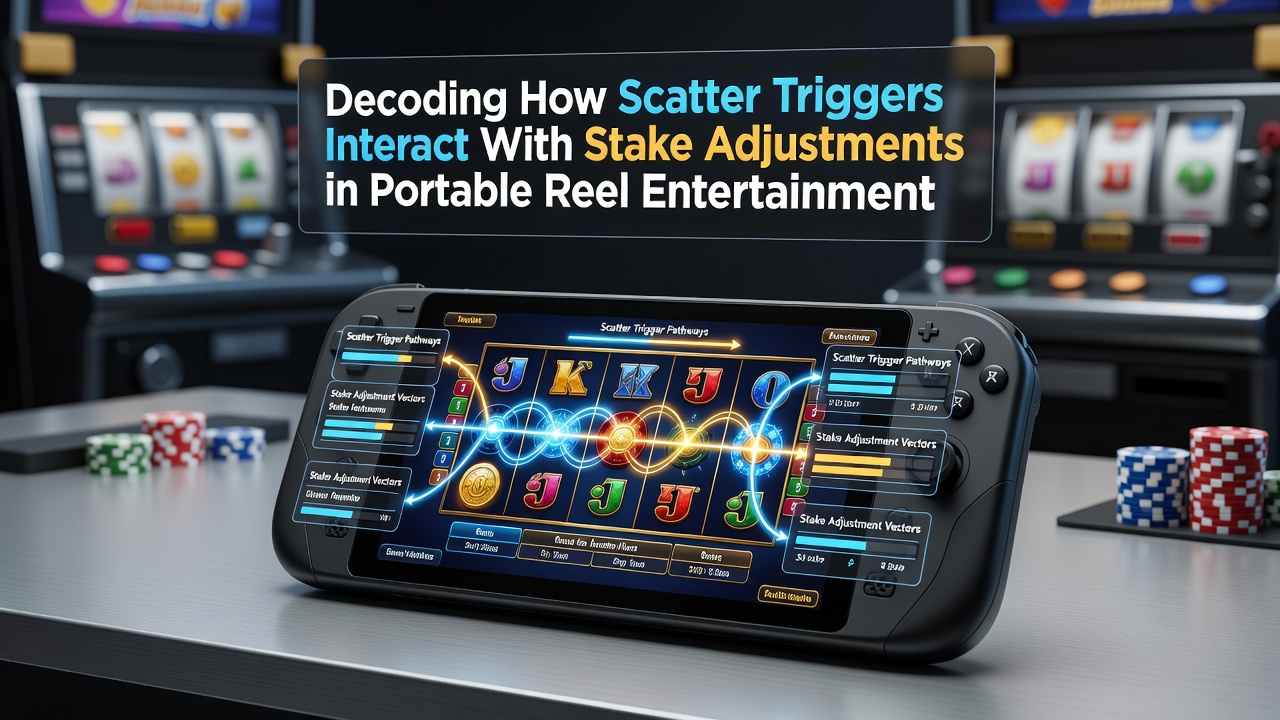
Portable reel entertainment relies on scatter symbols to activate bonus rounds, and these triggers operate alongside stake adjustments that scale both potential payouts and feature entry costs. Operators design these systems so that scatter appearances remain governed by random number generators while bet levels directly influence the monetary value of resulting wins and any multipliers attached to free spin sequences.
Core Mechanics of Scatter Activation
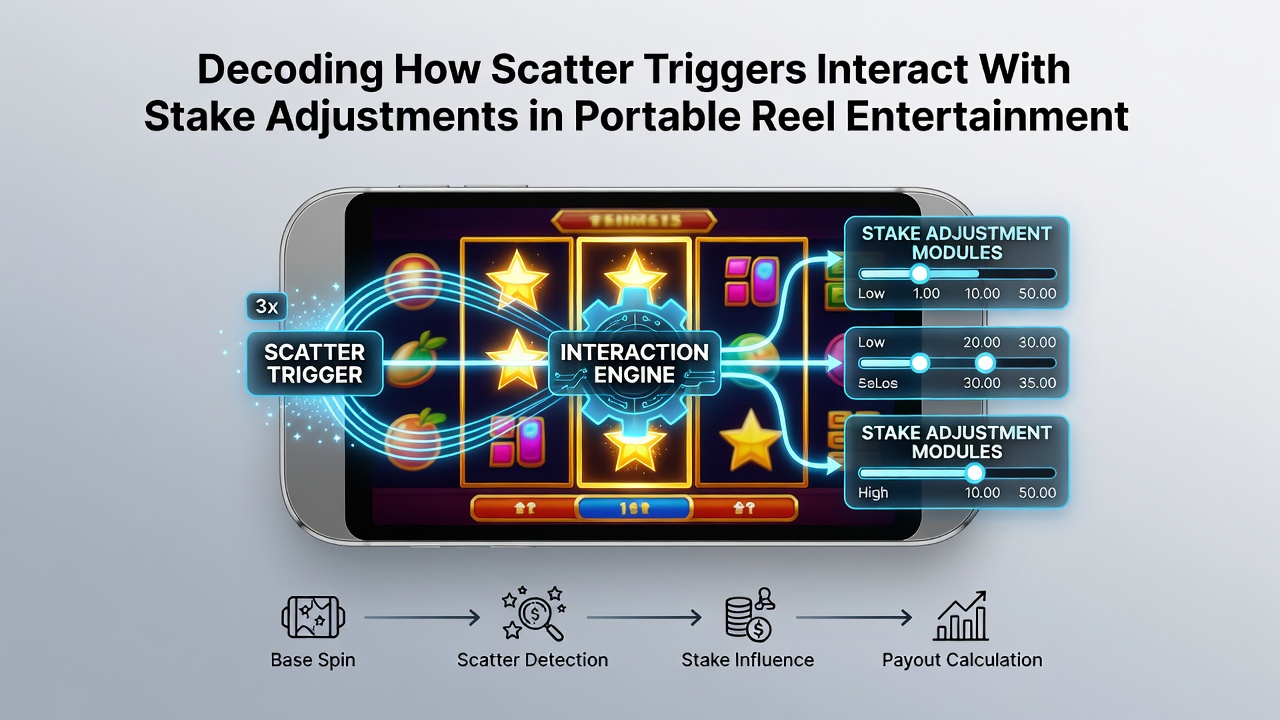
Scatter symbols differ from standard payline icons because they pay out regardless of position, and most titles require three or more to launch free spins or other bonus events. Data from industry reports shows that the probability of landing the required number stays constant across stake settings, yet the actual credit award tied to those scatters rises proportionally with the chosen bet size. This separation keeps the underlying mathematics intact while allowing players to modulate exposure through simple stake changes.
Many mobile platforms display the current stake multiplier next to the scatter paytable, which helps clarify how a higher wager converts the same symbol combination into larger returns. Observers note that developers often embed additional mechanics such as scatter multipliers or progressive scatter collections that further tie feature value to the active bet level.
Stake Scaling and Feature Entry Points
When a player adjusts the stake, the cost per spin increases linearly, and any scatter-triggered bonus inherits that scaling. Research from the Nevada Gaming Control Board indicates that bonus round frequencies remain statistically stable across denominations, which means the decision to raise or lower stakes primarily affects the size of potential rewards rather than the rate at which features appear. Mobile interfaces typically surface this relationship through real-time paytable updates that recalculate scatter values as soon as the bet slider moves.
Some titles introduce minimum stake thresholds before certain scatter enhancements become available, such as extra wilds during free spins or elevated multipliers. These thresholds create distinct play modes where lower stakes deliver base scatter behavior while higher stakes unlock layered versions of the same trigger.
Mobile-Specific Considerations
Portable devices introduce touch-based stake selectors and compressed paytable views that must still convey how scatter outcomes scale. Developers address screen limitations by using expandable information panels that reveal credit values at the current stake and at adjacent bet levels. This approach maintains transparency without cluttering the main reel area during spins.
Network latency on mobile connections can occasionally delay the display of scatter results, yet the random outcomes themselves stay unaffected because they are determined server-side. July 2026 brought updated operator reporting requirements in several jurisdictions that now require clearer disclosure of how stake changes interact with feature triggers, prompting several studios to refine their in-game explanations.
Regulatory and Technical Context
Authorities in multiple regions track the relationship between stake settings and bonus frequencies to ensure fairness claims remain accurate. A study published by the Australian Gambling Research Centre examined thousands of mobile sessions and found no correlation between bet size and scatter trigger rates once game mathematics were held constant. Such findings support the continued use of stake adjustment tools while underscoring the importance of clear player information.
Game certification labs routinely test scatter behavior at multiple stake points to verify that random number generator outputs produce consistent distribution patterns. Any deviation would trigger re-certification, which is why established titles maintain stable trigger rates even when players experiment with different wager amounts.
Practical Examples from Current Titles
One popular mobile release features scatter symbols that collect across sessions, and the final bonus multiplier reflects the average stake used during collection. Another title applies a progressive scatter meter that fills faster at higher stakes, effectively shortening the time between feature activations without altering the underlying probability per spin. These design choices illustrate how developers translate stake adjustments into varied player experiences while preserving the core random mechanics.
Players who switch between low and high stakes within the same session often observe that scatter-triggered free spins deliver proportionally larger credit totals at the higher setting, yet the number of spins awarded stays identical. This predictable scaling helps users plan session lengths according to their preferred risk profile.
Conclusion
Scatter triggers and stake adjustments operate on separate but interconnected tracks within mobile reel entertainment. The random arrival of scatters remains independent of bet size, while the resulting payouts and any attached multipliers scale directly with the chosen wager. Recent regulatory updates in July 2026 have reinforced the need for transparent in-game displays that communicate these relationships clearly. Continued testing by certification bodies and academic researchers helps maintain consistency across stake levels, allowing portable platforms to deliver both accessibility and scaled reward potential within the same title framework.