Navigating Loyalty Rewards Amid Stake Caps in Digital Slot Play
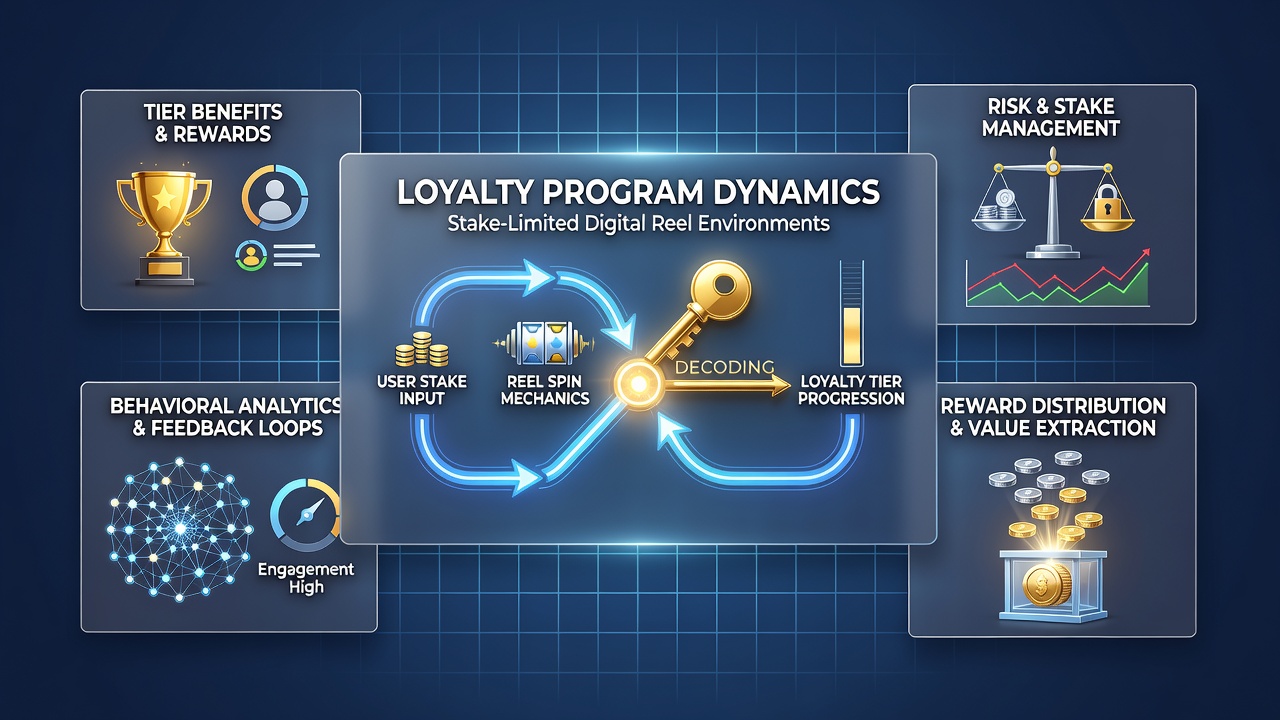
Stake limitations have prompted operators to recalibrate loyalty frameworks across digital reel platforms, with adjustments focusing on reward frequency and redemption flexibility rather than high-stake multipliers. Data from industry monitoring shows these changes accelerated around June 2026 as regulatory updates took hold in multiple jurisdictions, leading platforms to emphasize consistent engagement metrics over single-session volume.
Core Adjustments in Point Accumulation
Operators restructure earning rates when maximum bets per spin decrease, often shifting from stake-proportional points to spin-count or time-based accrual systems. Research from the Australian Gambling Research Centre indicates that platforms adopting flat-rate point systems maintained retention levels within 3 percent of pre-cap figures during the first half of 2026. Players accumulate credits through repeated low-stake sessions, and tier progression now hinges on activity streaks measured in days rather than total wagered amounts.
One operator in the Canadian market introduced a hybrid model where base points double after every 50 consecutive spins regardless of stake size, a direct response to provincial stake ceilings implemented earlier that year. This approach rewards session length while complying with regulatory caps, and similar patterns appear in reports from the Nevada Gaming Control Board tracking North American digital reel markets.
Tier Benefits and Redemption Shifts
Loyalty tiers retain their structure but modify associated perks to fit constrained betting environments. Cashback percentages remain stable at lower tiers while higher tiers gain access to exclusive free spin batches or accelerated multiplier windows that activate on minimum-stake play. According to figures released by the European Gaming and Betting Association, redemption volumes for non-cash rewards rose 18 percent in stake-limited regions during the second quarter of 2026 compared with the same period in 2025.
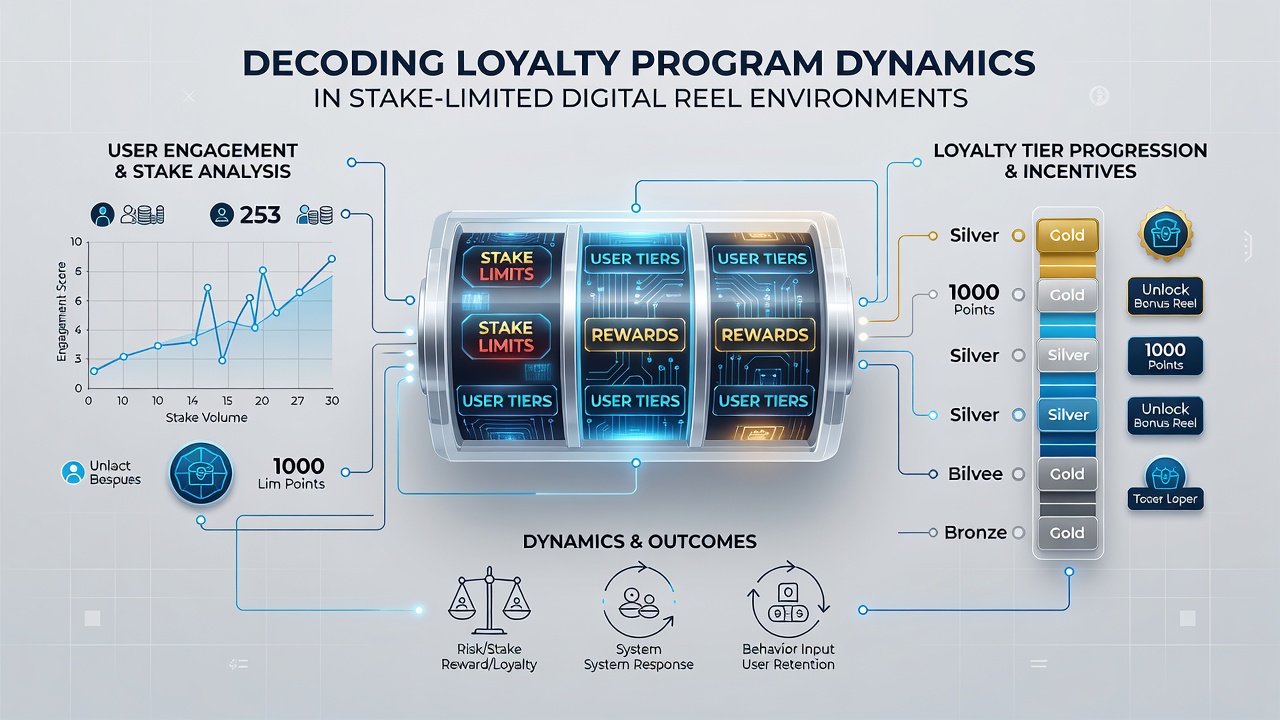
Bonus buy features and progressive jackpots continue to integrate with loyalty systems, yet eligibility now factors in total spins completed instead of peak bet levels. Observers note that platforms increasingly bundle loyalty points with tournament entries where entry stakes stay within regulatory limits, allowing high-tier members to compete for larger prize pools without violating per-spin restrictions.
Data Patterns Emerging Post-June 2026
Platform analytics released after June 2026 reveal increased session frequency among loyalty members, with average daily logins rising even as per-session wager totals declined. Studies conducted by university research teams in the United States found that players in stake-capped environments redeemed loyalty rewards 22 percent more often when programs offered smaller, more frequent payouts rather than infrequent large bonuses. These patterns hold across both mobile and desktop interfaces, indicating broad behavioral consistency.
Operators track these metrics through integrated dashboards that log spin volume, tier movement, and reward uptake simultaneously. The resulting datasets help refine algorithms that predict when members approach the next tier threshold and automatically surface targeted offers, such as extra points on specific reel titles during off-peak hours.
Future Trajectories for Reward Structures
Analysts expect continued refinement of loyalty mechanics as stake limits stabilize across regions. Integration with real-time RNG adjustments allows programs to calibrate point bonuses dynamically while remaining compliant. Reports from multiple regulatory bodies outside the United Kingdom show that operators investing in transparent point-tracking interfaces experience higher member satisfaction scores, measured through post-session surveys.
Conclusion
Loyalty programs in stake-limited digital reel environments now prioritize frequency, accessibility, and compliance-aligned flexibility. The shifts documented through mid-2026 demonstrate how operators leverage data from varied jurisdictions to sustain engagement without relying on elevated per-spin wagers. These adaptations continue to evolve alongside regulatory landscapes, with reward structures increasingly centered on sustained play patterns and tiered access to low-stake features.