Loyalty Tiers Drive Priority Access to New Mobile Slot Releases in the UK Market
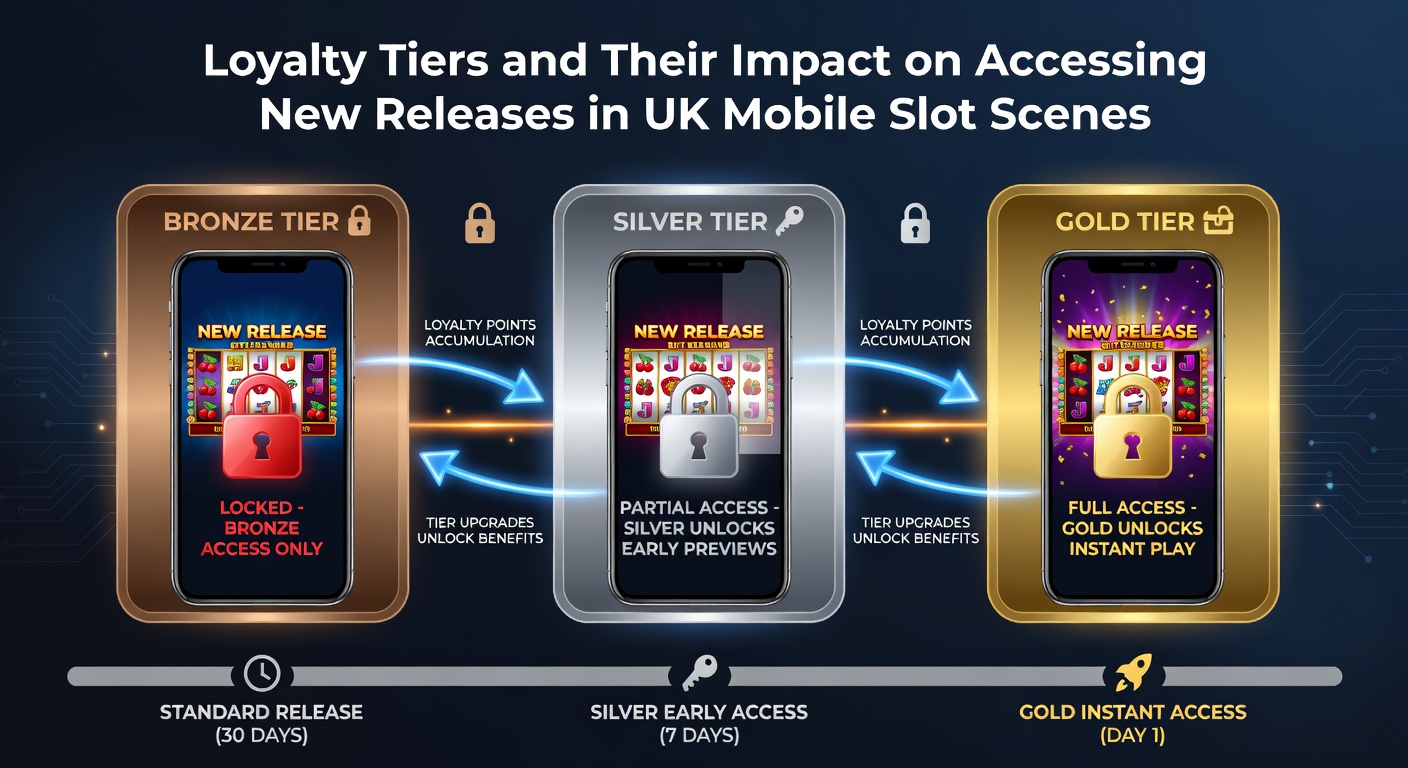
UK mobile slot platforms organise player activity into structured loyalty tiers that determine how quickly participants reach new game launches, and operators track points accumulated through wagers to assign these levels automatically. Higher tiers unlock preview windows that begin several days before general release while lower tiers wait for the standard rollout across the same applications.
Points systems calculate rewards from real-money spins, with each tier threshold published on operator sites so players understand the volume required to advance. Data from multiple platforms shows that once players cross into mid-level status they receive notifications about upcoming titles and gain entry to closed test environments where new mechanics receive feedback before wider distribution.
Tier Structures Across Mobile Platforms
Bronze, silver, gold and platinum categories appear consistently although exact point requirements differ between operators, and mobile users often accumulate points faster because sessions occur in shorter, repeated bursts throughout teh day. Advancement resets occur on an annual basis in many cases so sustained activity remains necessary to retain status.
Observers note that mobile-first operators integrate tier tracking directly into their apps with progress bars visible on the home screen, allowing immediate visibility into remaining activity needed for the next level. This visibility encourages continued play on the same device rather than switching between desktop and mobile versions of the same service.
Early Access Mechanics
Players at higher tiers receive time-limited codes that activate new releases inside dedicated lobby sections marked for VIP participants only, and these codes expire after the initial window closes. Mobile push notifications deliver the codes automatically once a new title passes internal certification and reaches the early-access queue.
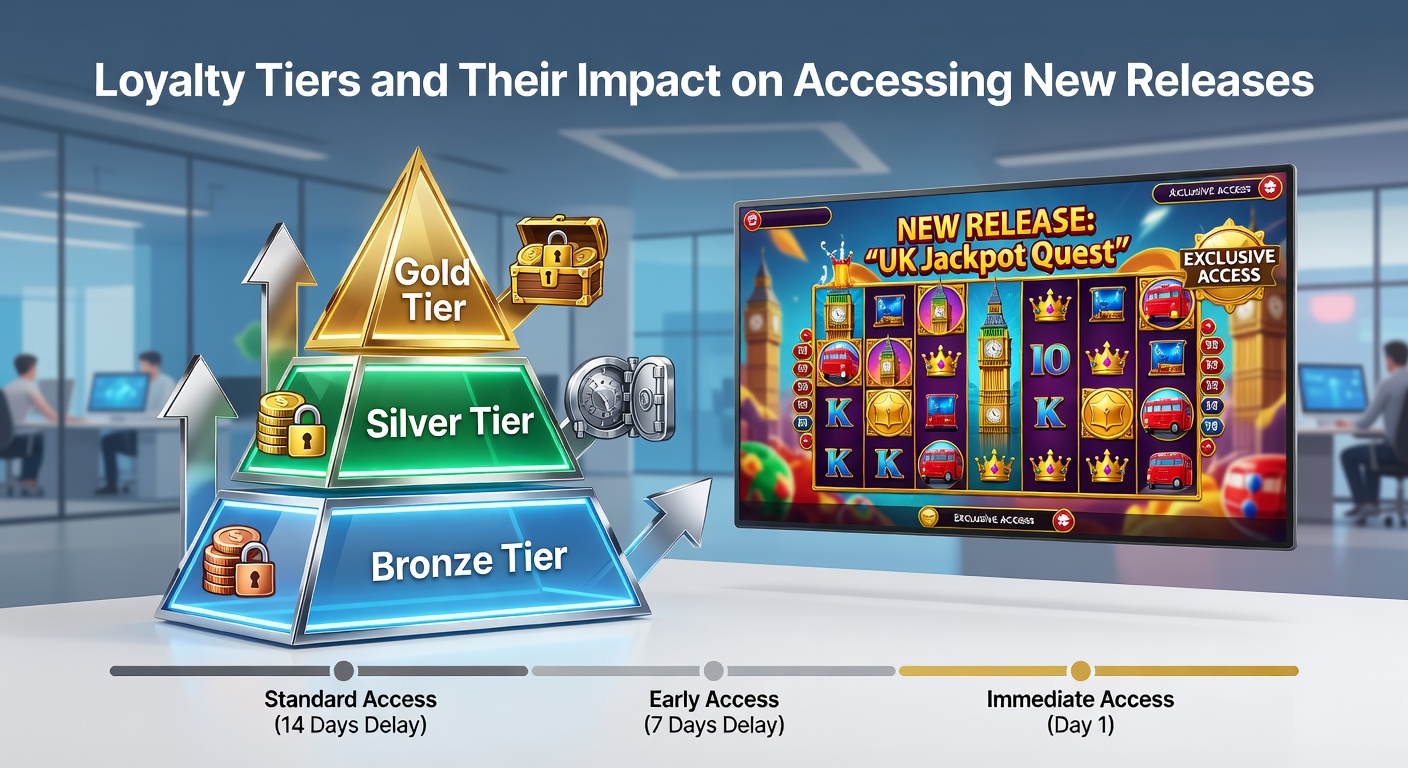
One platform documented that platinum-tier users accessed a cluster-pay title forty-eight hours ahead of the public launch while gold members waited an additional twenty-four hours, and lower tiers joined on the scheduled date. Such staggered schedules appear in operator transparency reports and help distribute server load during peak download periods.
Research indicates that tiered access correlates with higher retention rates among mobile users because early exposure creates familiarity before competing titles arrive. Figures from a 2025 industry analysis released by the Responsible Gambling Council in Canada revealed that participants with VIP status logged into new games on an average of 3.2 additional days during the first week compared with standard users.
Regional Comparisons and Data Trends
While UK platforms emphasise mobile convenience, similar tier models operate in other regulated markets, and reports from the Nevada Gaming Control Board highlight parallel patterns where higher-tier players receive beta versions of slot updates on tablets and phones before land-based machines receive the same content. The consistency across jurisdictions suggests operators apply identical backend systems regardless of regulatory geography.
By May 2026 several UK-facing sites had expanded their loyalty dashboards to include predicted access dates for unreleased titles based on current point velocity, giving participants clearer expectations without requiring direct operator contact. These predictive tools rely on historical release schedules and current player activity rather than promotional promises.
Industry organisations such as the European Gaming and Betting Association have published summaries showing that mobile-exclusive new releases often debut first within VIP sections, because developers prefer controlled rollouts to refine algorithms before wider exposure. The pattern reduces the risk of server strain and allows rapid patches based on limited-user data.
Player Movement Between Tiers
Demotion occurs when annual activity falls below thresholds, and operators send advance warnings through in-app messages so players can adjust wagering volume if retention of status matters to them. Some platforms allow points carry-over into the next cycle at a reduced rate, softening the impact of temporary inactivity caused by travel or device changes.
Those who study retention patterns report that mobile users who maintain gold or platinum status show stronger engagement with new mechanics such as variable reel heights and pay-anywhere formats, because they encounter these features during the protected early-access period when competition for leaderboards remains lower. Lower-tier players join after the initial excitement subsides and often encounter more established competition for the same bonus rounds.
Operators publish monthly summaries that list the number of new titles released exclusively to each tier, and these documents reveal that platinum members typically preview between four and six titles per quarter that never appear in lower-tier queues. The exclusivity functions as both reward and data-collection mechanism for developers seeking rapid feedback on payout volatility settings.
Conclusion
Loyalty tiers function as a scheduling tool that organises the sequence in which UK mobile users encounter new slot releases, and the structure relies on transparent point systems, automated notifications and staggered distribution windows. Data collected across platforms demonstrates measurable differences in first-week engagement between tier levels, while external reports from regulatory bodies and industry groups confirm that similar models operate beyond the UK market. These arrangements continue to evolve as operators refine predictive dashboards and expand early-access offerings in response to observed player behaviour.