Folklore Meets Fortune: British Mythology Shaping Bonus Round Designs in Contemporary Slot Titles
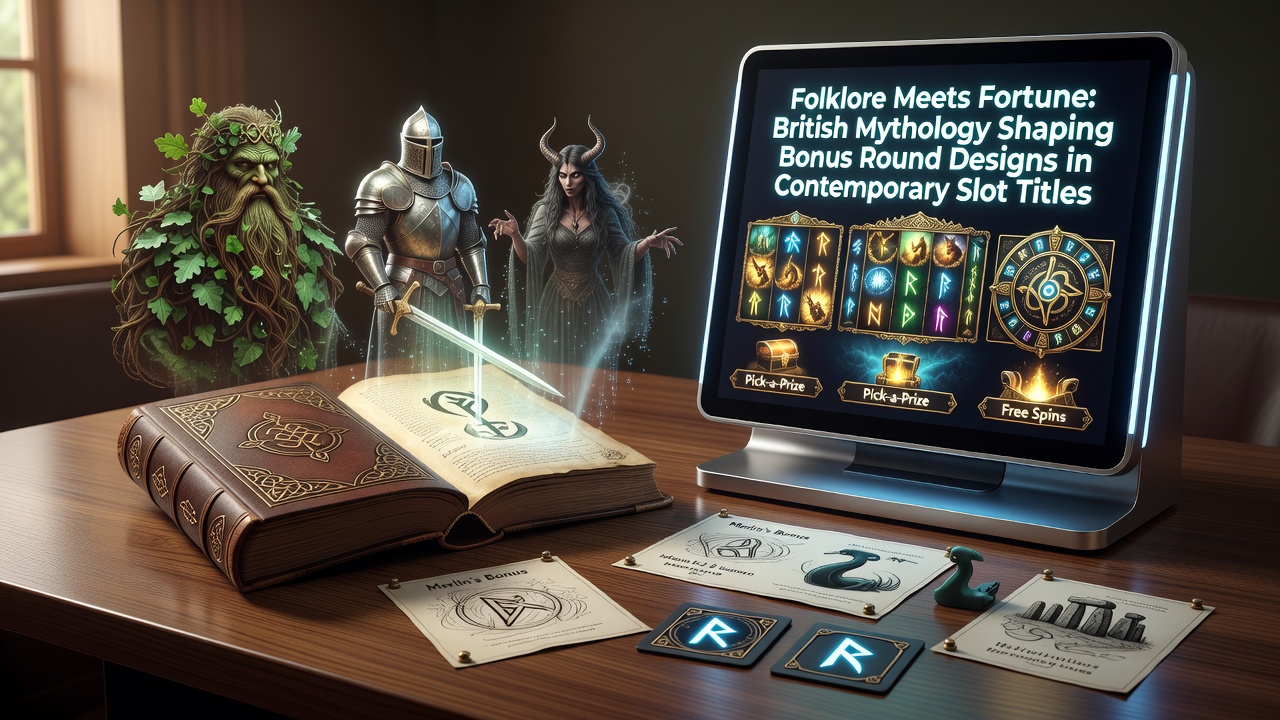
British mythology continues to influence bonus round mechanics across contemporary slot titles, drawing from legends that include Arthurian tales, Celtic folklore, and ancient British narratives; developers incorporate these elements to create quest-style features, symbol transformations, and multiplier systems that reflect mythic structures rather than generic reward loops. Data from industry reports indicate that mythological themes appear in a growing share of new releases, with bonus rounds often structured around heroic journeys or enchanted realms that mirror source material from medieval texts and oral traditions.
Roots of Myth in Game Mechanics
Designers reference British legends when building interactive sequences, such as those involving Excalibur retrieval or fairy ring navigation, where players trigger events that echo traditional stories while delivering variable payouts through layered symbol interactions. Observers note that these adaptations allow bonus rounds to function as narrative extensions, with mechanics like expanding wilds representing magical swords or cascading reels simulating crumbling ancient ruins, all calibrated to regulatory standards that emerged after mid-2026 market adjustments.
Arthurian Influences on Quest Bonuses
Slots inspired by King Arthur and the Knights of the Round Table frequently feature bonus rounds centered on tournament selections or grail searches, where players choose from hidden options that unlock progressive multipliers or free spin sequences; one title released in early 2026 uses a round table interface for symbol collection that builds toward a final confrontation with a dragon guardian, delivering outcomes based on accumulated mythic artifacts. Research from gaming analysis firms shows these structures increase session duration because they align player choices with familiar story beats, turning random number generation into perceived heroic progression.
What's notable is how developers blend multiple British sources within single bonus frameworks, combining elements from Beowulf epics with later fairy lore to produce hybrid features like rune-based symbol upgrades that evolve during play. Such combinations appear in titles where a player enters a misty realm and encounters shifting creatures, each interaction altering the bonus path in ways that reference both epic battles and smaller-scale enchantments from regional folklore collections.
Symbol Systems Drawn from Legend
British mythological symbols populate bonus interfaces through creatures and objects that carry established meanings, with dragons representing hoarded wealth in multiplier banks and kelpies guiding reel expansions that connect otherwise separate paylines. Industry data compiled by the Interactive Games & Entertainment Association reveals that titles using these symbols achieve higher engagement rates in markets where players recognize the cultural references, even when the underlying mathematics remain standard across the category.
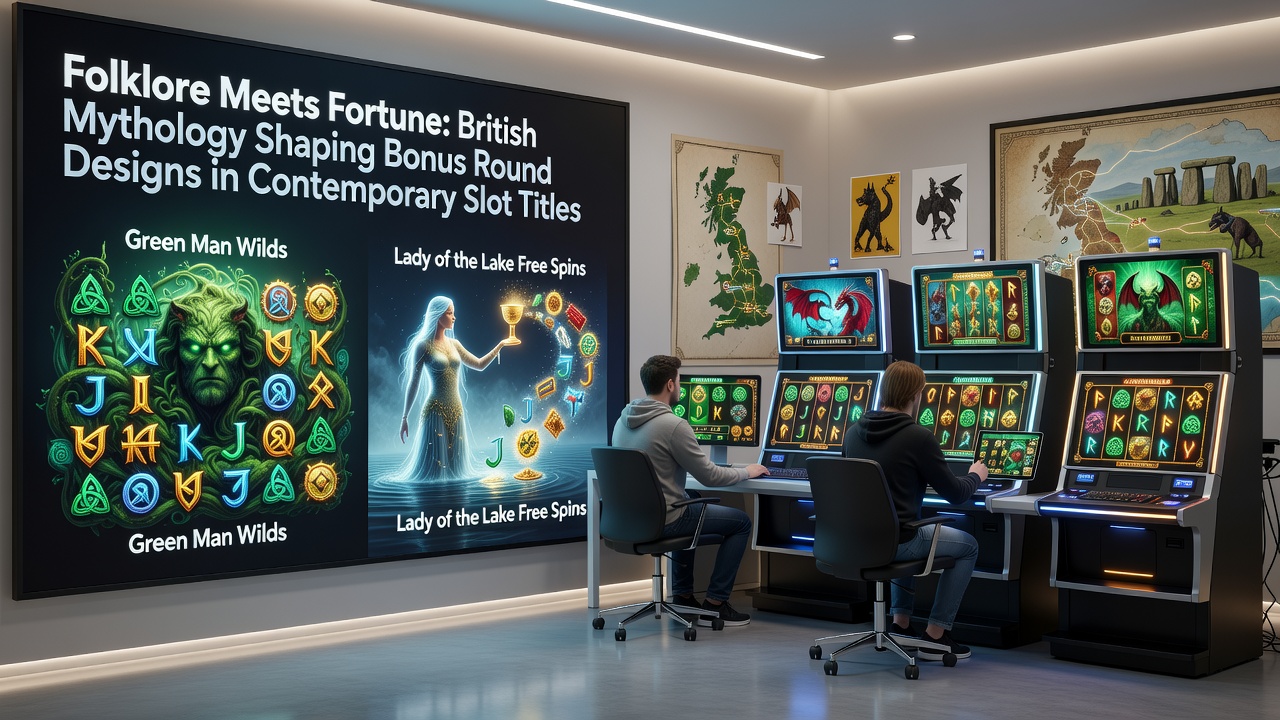
Take one development studio that integrated Robin Hood-inspired features into a 2026 release, constructing a bonus round around archery target selections that award free spins proportional to accuracy levels; each successful shot modifies the reel set by introducing expanding symbols tied to forest hideouts, creating payout patterns that feel narrative-driven while operating on conventional probability models. Those who've examined the code note that the visual storytelling layers atop RNG systems without altering core return percentages.
Regulatory Context and July 2026 Developments
Following updates implemented in July 2026 across several jurisdictions, operators adjusted bonus round pacing to maintain compliance with new transparency requirements, yet the mythological framing remained intact because it operates at the thematic level rather than the mathematical one. Figures from the Australian Communications and Media Authority indicate continued growth in themed content, including British-inspired designs, as developers prioritize cultural resonance alongside technical compliance.
Yet the integration goes further in some cases, with bonus rounds that simulate quests through the British Isles themselves, moving players across stylized maps of ancient sites where each location triggers a distinct mini-feature, from stone circle scatters to lake lady appearances that multiply collected values. One study published by researchers at the University of Nevada, Reno documented how narrative continuity in such rounds correlates with repeat play metrics across multiple markets.
Future Patterns in Mythic Design
Design teams continue to mine lesser-known British folklore for fresh mechanics, introducing elements like black dog apparitions that act as wild multipliers or selkie transformations that shift symbol values mid-round. These choices reflect broader industry trends toward localized storytelling that distinguishes titles in crowded release schedules, with external links to academic compilations of folklore providing reference material for accurate cultural representation.
Observers tracking release patterns note that British mythology offers flexible structures for bonus innovation because its stories contain built-in progression arcs, from humble origins to legendary rewards, which map naturally onto escalating multiplier ladders and unlock sequences. Data shows sustained interest in these themes through the latter half of 2026, with new titles incorporating refined versions of established mythic devices rather than abandoning them.
Conclusion
British mythology supplies a consistent reservoir of structural ideas for bonus round construction in current slot titles, where legendary motifs translate into selectable events, symbol evolutions, and narrative payoffs that operate within established technical parameters. The pattern persists because these cultural references enhance player recognition without requiring changes to underlying game mathematics, allowing developers to refresh familiar frameworks while meeting evolving market conditions documented by regulatory bodies outside the UK.