Bonus Cycle Evolution in New Slot Releases Across British Gambling Sites
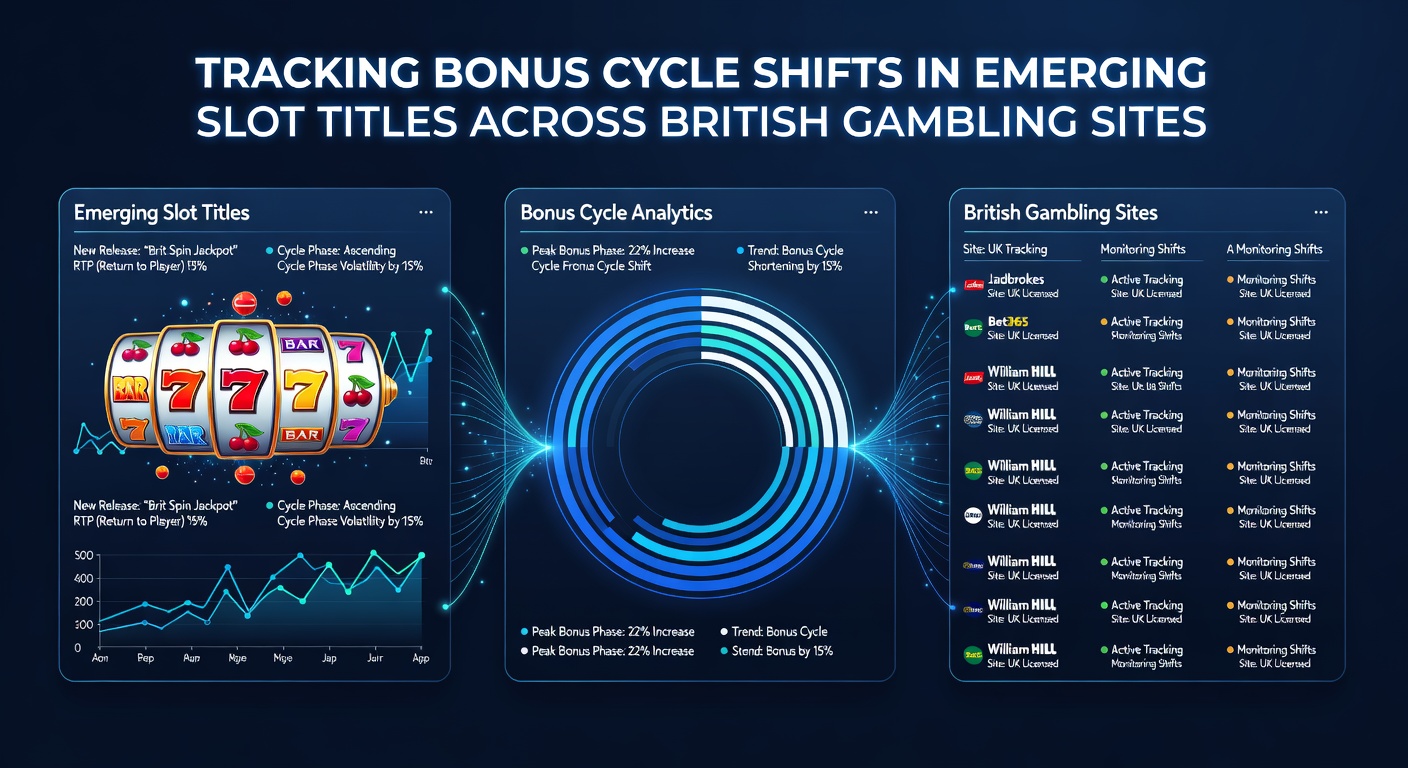
Bonus cycles in slot games refer to the recurring sequences of free spins, multipliers, and feature triggers that define how often and how substantially players receive enhanced payouts, and emerging titles on British sites show measurable changes in these patterns as developers adjust reel structures and random number generator settings to meet updated technical standards. Observers tracking these releases note that cycles have lengthened in some cases while shortening in others, driven by the integration of hybrid mechanics that combine elements from megaways, cluster pays, and progressive trails into single games.
Defining Bonus Cycle Components
Traditional bonus cycles operated on fixed intervals where base game spins accumulated toward a predictable feature round, yet newer releases incorporate variable triggers that reset or extend based on symbol combinations and player-selected options. Data from multiple operator analytics platforms indicates that average cycle lengths now range between 80 and 150 spins in titles launched during the first half of 2026, compared with the narrower 60-to-90-spin window common in 2024 releases. These adjustments appear in games where expanding reels interact with mystery symbol reveals to alter the probability distribution mid-cycle.
Mechanics Driving Recent Shifts
Developers have introduced layered bonus trails that build across multiple spins rather than delivering immediate free spin awards, which stretches the time between high-value features while increasing the potential multiplier growth. Research from the Canadian Centre for Gaming Research shows that such trail-based systems appear in roughly 35 percent of new British-market titles since January 2026, with cycle variability rising when symbols carry over between base game and bonus rounds. Players encounter these in formats where collecting specific icons advances a meter that eventually unlocks stacked wilds or additional reel expansions, creating longer but more layered sequences.
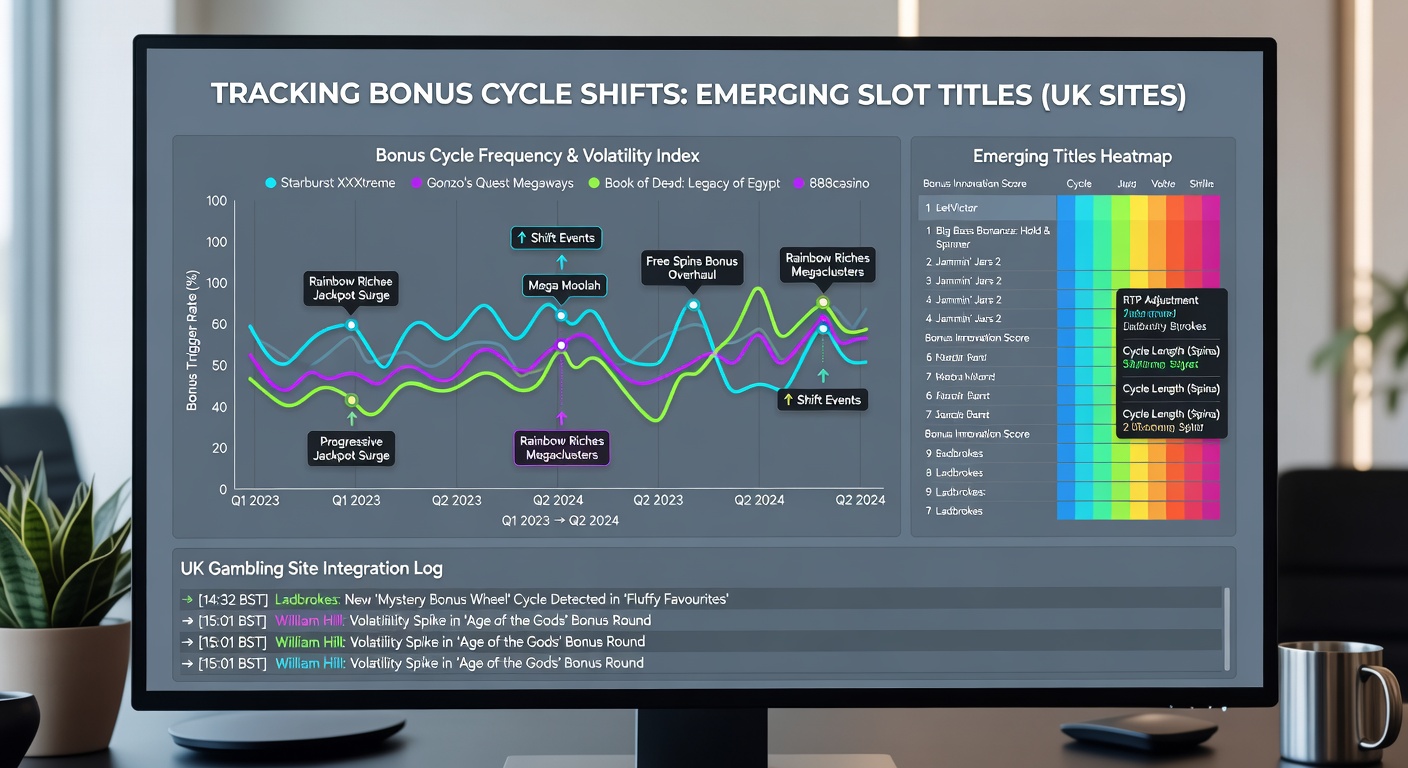
Another notable change involves the timing of respin rallies, where coin or symbol hunts now activate after fewer consecutive losses in some titles, shortening perceived dry spells while maintaining overall return-to-player percentages within regulatory bands. Industry reports compiled by the European Gaming and Betting Association highlight that these respin adjustments have reduced average cycle gaps by up to 15 percent in select mobile-optimized releases, though the frequency of mega-win triggers within those cycles has remained statistically stable.
Patterns Across British Operator Platforms
British gambling sites have rolled out these emerging titles at different paces, with some prioritizing games that feature quick-cycle mystery bonuses and others favoring extended progressive trails. Tracking data across major platforms reveals that titles released around May 2026 incorporated more hybrid cycle structures, blending short free-spin bursts with longer collect-to-conquer sequences in the same game. This dual approach allows operators to cater to varied session lengths while complying with stake and safety parameters introduced earlier in the year.
Case examples include one series where reel takeovers occur at cycle midpoints, shifting the entire grid into a bonus state without a separate trigger, and another where portrait-mode vertical reels compress bonus accumulation into fewer spins. Observers note that these variations produce distinct payout distribution curves, with the former favoring frequent small boosts and the latter concentrating value toward the end of extended cycles.
Data Trends and Measurement Methods
Analysts employ session-log aggregation and cycle-mapping tools to quantify these shifts, comparing trigger rates, multiplier distributions, and feature duration across thousands of spins per title. Figures from aggregated operator reports indicate that bonus frequency has declined slightly in high-volatility new releases while average multiplier values during features have increased, maintaining overall expected returns. Such measurements help identify whether a cycle shift stems from reel configuration changes or from modifications to the underlying random number generator weighting.
What's interesting is how mobile-specific adaptations, such as portrait reels that extend vertically for bonus collection, have influenced cycle tracking on British sites where a majority of play occurs through apps. These formats often compress visual feedback, making cycle progress more immediate to the player even when the underlying mathematics extend the interval between major features.
Conclusion
Tracking bonus cycle shifts in emerging slot titles provides operators and analysts with clearer visibility into how new mechanics affect session dynamics on British gambling sites. Continued monitoring of titles launched after May 2026 will show whether current patterns stabilize or evolve further as developers refine the balance between cycle length, feature depth, and regulatory compliance. The data gathered so far demonstrates that cycle evolution remains an active area of adjustment rather than a settled design trend.